A new gi that fits on day one and stops at your forearms by week three is usually a laundry problem, not a sizing problem. Cotton reacts to heat and agitation, and most of the damage happens in a handful of avoidable moments: a hot cycle, a long tumble dry, or a first wash done the same way as a load of towels.
This guide explains how to wash a BJJ gi so it stays clean and keeps its fit, whether you train at an academy in the United States or anywhere else in the world. It covers the routine for every session, the first wash, drying, shrinking a gi on purpose, and what academies and brands should check before printing a care label.
Why BJJ Gis Shrink and What Pre-Shrunk Cotton Really Means
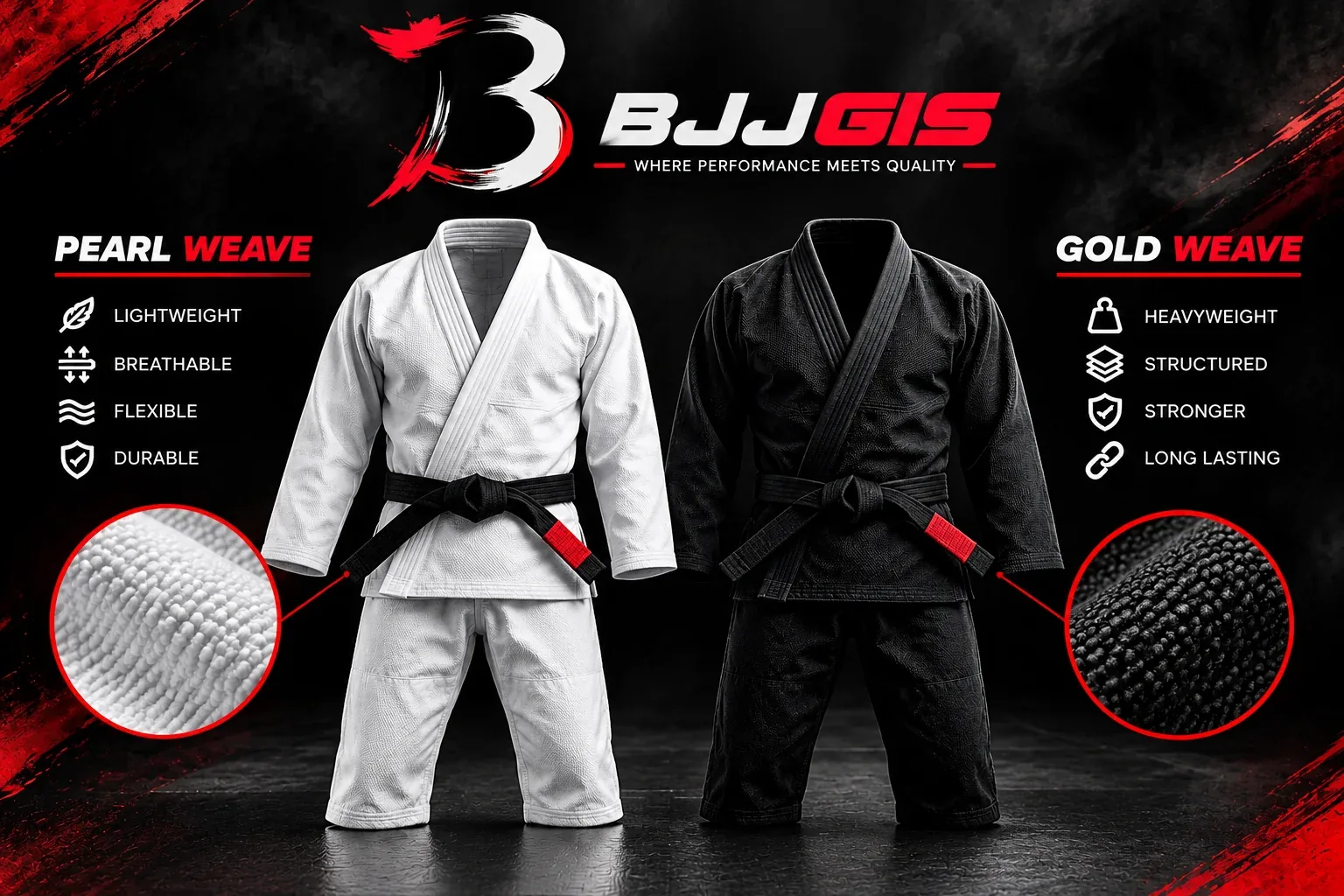
Most jiu jitsu gi jackets are woven cotton, often pearl, gold, or single weave, and many pants use cotton twill or ripstop. During weaving and finishing, cotton yarns are held under tension. Heat and moisture let those fibers relax and contract, and the tumbling of a washer or dryer speeds that up. The result is a shorter sleeve, a tighter chest, or pants that ride up at the ankle.
Pre-Shrunk Cotton Reduces Shrinkage, It Doesn’t Eliminate It
Pre-shrunk cotton has been washed or treated before the garment is cut, so much of the fabric’s natural contraction happens at the factory instead of in your machine. That makes sizing far more predictable. It does not make a gi heat-proof. A pre-shrunk gi can still tighten a little, and repeated hot washes or high-heat drying can still change the fit.
Weave and weight matter too. Denser, heavier fabrics hold more water and take longer to dry, which tempts people toward the dryer. If you want to understand how weave and GSM affect behavior in the wash, our BJJ gi materials guide to cotton, weave, and GSM explains the differences in more detail.
How to Wash a BJJ Gi: The Routine for Every Session
Learning how to wash a jiu jitsu gi starts with one rule: one session, one wash. A gi that has been through a hard training session is damp with sweat and has been on the mats and on other people. Drying it out and wearing it again lets odor build up in the weave. Academies should follow their own hygiene policies, but washing after every session is the standard most coaches expect.
Before the Wash
- Take the gi out of your bag as soon as you get home. A damp gi sealed in a bag for hours is where musty smells start.
- Turn the jacket and pants inside out. This reduces surface abrasion and protects embroidery and patches.
- Check the care label. It is the manufacturer’s instruction for that specific fabric and should override general advice, including this guide.
Machine Settings for a BJJ Gi Wash
Water Temperature: Why a Cold Water Wash Is the Default
Use the cold setting, or a cool wash of about 30°C (86°F) or below. A cold water wash cleans everyday training sweat effectively while keeping heat-driven shrinkage to a minimum. Warm and hot settings are the most common reason a gi suddenly fits like it belongs to someone smaller.
Cycle, Load Size, and Detergent
Choose a gentle or normal cycle with a moderate spin, and don’t overload the drum. A gi is heavy when wet and needs room to move and rinse.
Use a normal dose of a mild detergent, not a heaped one. Excess detergent can stay in a dense weave as residue, which tends to hold onto odor rather than remove it. Skip fabric softener: it coats the fibers and can make a gi slower to release sweat and odors over time.
What to Leave Out of the Drum
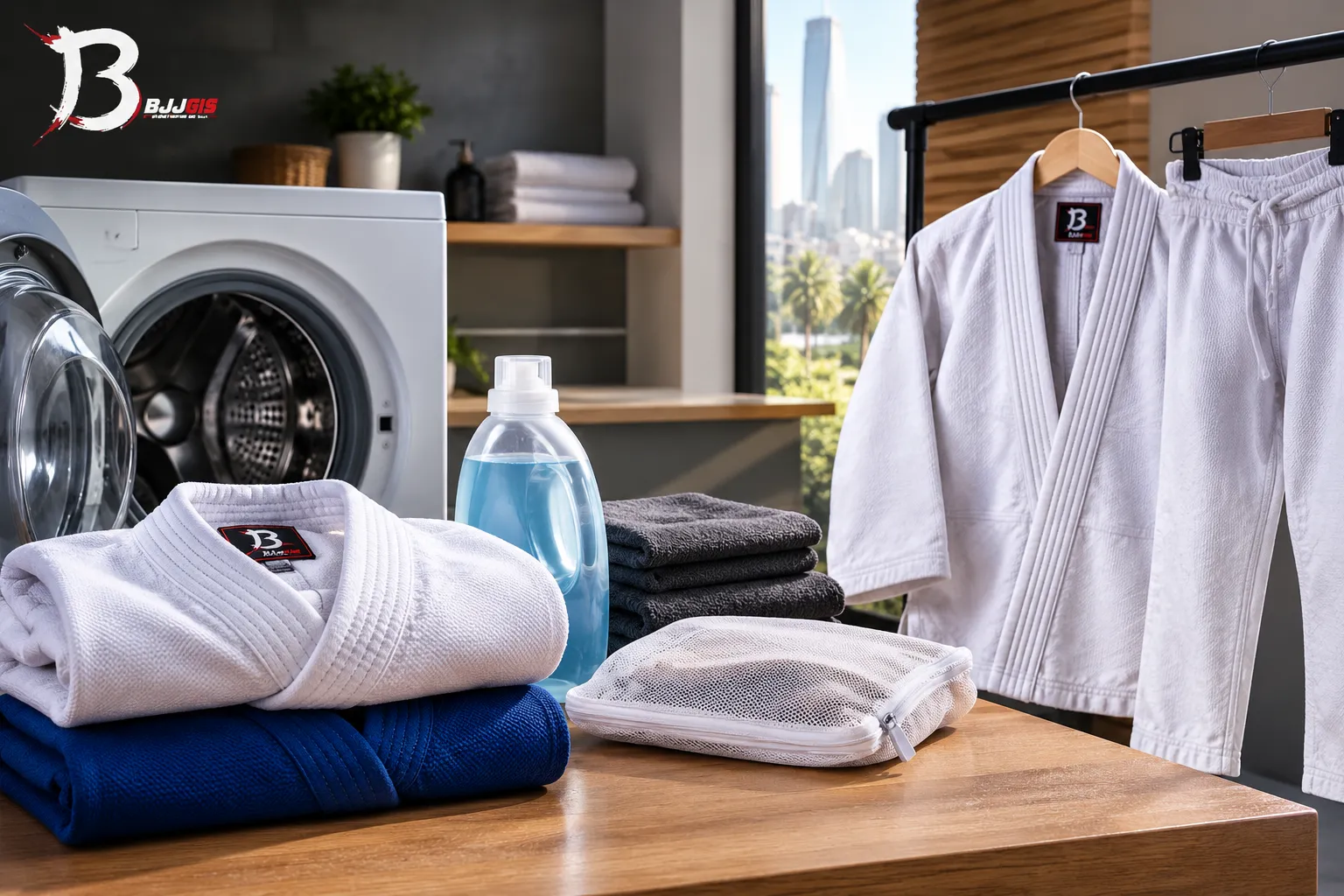
Wash your gi with similar items, such as other gis, rash guards, and training shorts in similar colors. Keep out items that cause trouble: jeans and heavy hoodies add friction, towels shed lint into the weave, open hook-and-loop fasteners can snag threads, and the rough gi fabric can damage delicates. Wash a new colored gi on its own until you know whether the dye runs.
How to Dry a BJJ Gi: Hang Dry vs Tumble Dry
Drying is where many gis lose their fit. The wash may be cold, but a long, hot dryer cycle can undo all of that care.
Hang Dry the Right Way
Hang dry whenever you can. Take the gi out of the washer as soon as the cycle ends, shake it out, and smooth the collar and lapels while the fabric is still damp. Hang the jacket on a wide hanger and the pants by the waistband in a ventilated space. Avoid long periods in direct sun for colored gis, as strong sunlight can fade dye.
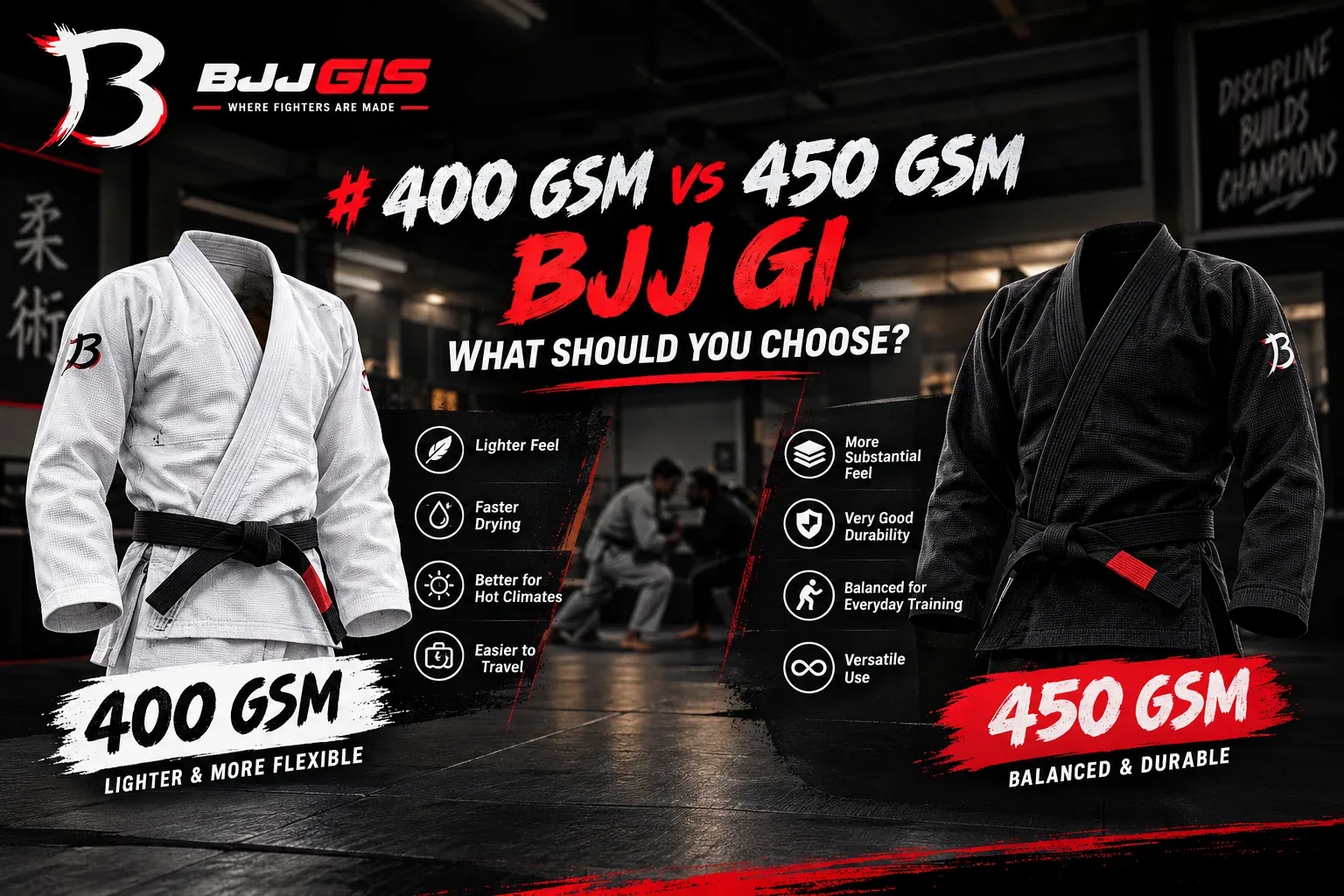
Check the collar before you put the gi away. It is the thickest part of the jacket and usually the last to dry. Heavier gis take longer, which is one reason people who train often prefer lighter fabrics, a tradeoff covered in our lightweight vs heavyweight BJJ gi comparison.
If You Must Use a Dryer
If you need a dryer, use the lowest heat setting for a short time, take the gi out while it is still slightly damp, and finish by hanging it. Never use high heat on a cotton gi unless you are deliberately trying to shrink it. Two gis in rotation is the most reliable way to avoid relying on a dryer at all.
How to Wash a Gi for the First Time
The first wash tells you how the gi will fit for the rest of its life, so treat it carefully:
- Read the label and any size or shrinkage notes from the seller.
- Wash it alone, especially if it is colored.
- Use cold water, a gentle cycle, and a normal detergent dose with no softener.
- Hang dry completely. Don’t use the dryer on the first wash.
- Try it on once it is dry and check sleeve, jacket, and pant length.
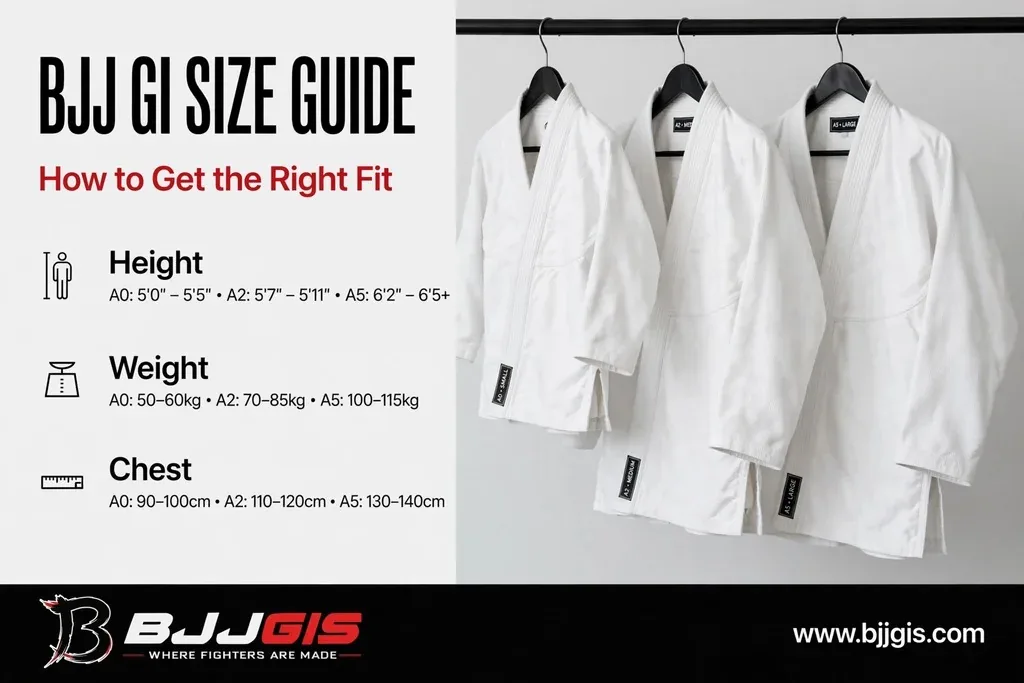
If it is slightly long and you planned for that, you can adjust it gradually, as described below. For guidance on choosing a size with shrinkage in mind, see our BJJ gi size guide.
Share your fabric, GSM and care-label requirements — we will prepare a test-washed sample before you commit to bulk production.
Request a quote →Washing Details That Get Overlooked
Embroidery, Patches, and Printed Branding
Turning the gi inside out and washing cold helps protect embroidered gi logos and sewn-on woven patches. Avoid bleach on branded areas, and don’t iron directly over patches or prints. If a patch edge starts to lift, have it re-stitched early instead of waiting for it to tear the jacket.
Belts
Belts collect the same sweat as the rest of the uniform. Many practitioners now wash them regularly in cold water and hang dry them, whatever tradition says. A BJJ belt is often thick and stitched, so it can take as long as a jacket to dry fully.
White vs Colored Gis
White gis usually turn gray or yellow from detergent residue, body oils, and slow drying. Prompt washing, the right detergent dose, and full drying help most. Use chlorine bleach sparingly or not at all, as it can weaken cotton over time, and never mix bleach with vinegar or other cleaning products. Colored gis should always be washed cold and inside out with a color-safe detergent.
Smells That Won’t Wash Out
If a gi still smells after washing, the usual causes are too much detergent, a gi that sat damp before or after the wash, a washer that needs cleaning, or a gi that never dried fully. Work through those in order. An occasional cold pre-soak before a normal wash, or a small amount of white vinegar in the rinse, is a common fix.
How to Shrink a BJJ Gi on Purpose, Carefully
Shrinking a gi is sometimes useful, for example when sleeves or pants are slightly long after the first wash. It is a fine-tuning method, not a fix for the wrong size. Heat shrinkage can’t be reliably reversed, so go slowly.
A Gradual Approach to Shrinking a Gi
- Start with a single warm wash, not a hot one.
- Dry on low or medium heat for a short period, then check the fit.
- Let the gi cool and rest before deciding on another round.
- Repeat only if needed, increasing heat in small steps.
When shrinking a BJJ gi, results vary by fabric. A gi made from pre-shrunk cotton will usually move less than an untreated one, and cotton-polyester blends generally respond less to heat.
If you compete, check your federation’s current uniform rules before and after shrinking. Organizations such as the IBJJF publish requirements that include sleeve and pant length, and those rules can change.
Gi Care and Shrinkage for Academies, Brands, and Wholesale Buyers
For an academy or fightwear brand, BJJ gi shrinkage can mean complaints and size exchanges across an entire order.
Test-Wash Samples Before Bulk Production
Before approving a custom BJJ gi for production, wash the sample exactly as your customers will.
What to Measure
Record jacket length, sleeve length, chest width, pant length, and waist on the sample before washing.
Before-and-After Wash Test
Wash and hang dry the sample using the care instructions you plan to print. Measure again and compare. Then check whether the collar, lapels, embroidery, and patches still look and feel right.
Recording Results for Reorders
Keep the before-and-after figures with your approved size chart. They become your reference for checking batch-to-batch consistency on future reorders.
BJJ Gis manufactures gis in Sialkot, Pakistan, a long-established center for sports apparel production, and supplies academies and brands across the United States and worldwide. The company states that it pre-shrinks its raw woven cotton before cutting panels, which is intended to keep finished sizing consistent. Even so, testing your own sample is still the most reliable way to set expectations for your customers.
Care Labels and Instructions for Private Label Gis
If you are launching a private label BJJ gear line, your care instructions are part of the product. Clear, simple wording such as “wash cold, hang dry, no bleach, no softener” reduces avoidable shrinkage. Your manufacturer can include printed instructions with custom labels and packaging. Labeling requirements differ by country, so confirm current rules for each market you sell in, whether that’s the United States or international markets.
Helping Academy Students Protect Their Fit
Academies running a uniform program can reduce sizing complaints by giving students a one-line care card at purchase and reminding parents of kids’ gis to skip the dryer.
Final Thoughts
Knowing how to wash a BJJ gi comes down to a few habits: wash after every session, use cold water, skip the fabric softener, hang dry completely, and treat the first wash as a test. Heat is the main cause of shrinkage, so add it only when you deliberately want a tighter fit, and do it gradually.
For academies and brands, pre-shrunk cotton, a test-washed sample, and clear care labels prevent more fit complaints than any laundry tip.
If you’re planning a custom gi line or academy order for the US or international market, request a quote from BJJ Gis with your fabric, sizing, and branding requirements, or message our team on WhatsApp to talk through tech packs, artwork, and samples.